Modern masculinity walks a real fine line these days, that line becomes even slimmer in an office setting. From the 60s to the early oughts, the easiest way to frame a romantic lead as the protector was simply to have him step in against an aggressor. Bonus points if the aggressor is larger in size or has more “intimidating allies. I’m talking about the biker who slaps a girl’s ass or the drunk frat boy who won’t take no for an answer, our heroine showing visible discomfort before the hero steps in. This scene played well until the late oughts then things changed.
The first thing to change was years of these scenes in the media making it socially clear that the aggressor was already in the wrong and the heroine being able to defend herself either socially with a flat out verbal rejection, use of a taser, or more recently her mary sue like combat training. These scenes didn’t necessarily ruin the romance but often provided an opportunity for the male romantic lead to either see her not as someone who needs to be protected but as an equal capable of being the protector if the situation calls for it.
These scenes create a new problem, because now how can you show the age old dynamic of protector hero and delicate heroine. A dynamic many still enjoy. You can’t just rehash the tried and true aggressor without calling attention to all men as dangerous, even if there are “good ones”. It also frames women as being incapable of protecting themselves. Congrats you’ve alienated a portion of both sexes being independent women and those men who count themselves among the “not all men”.
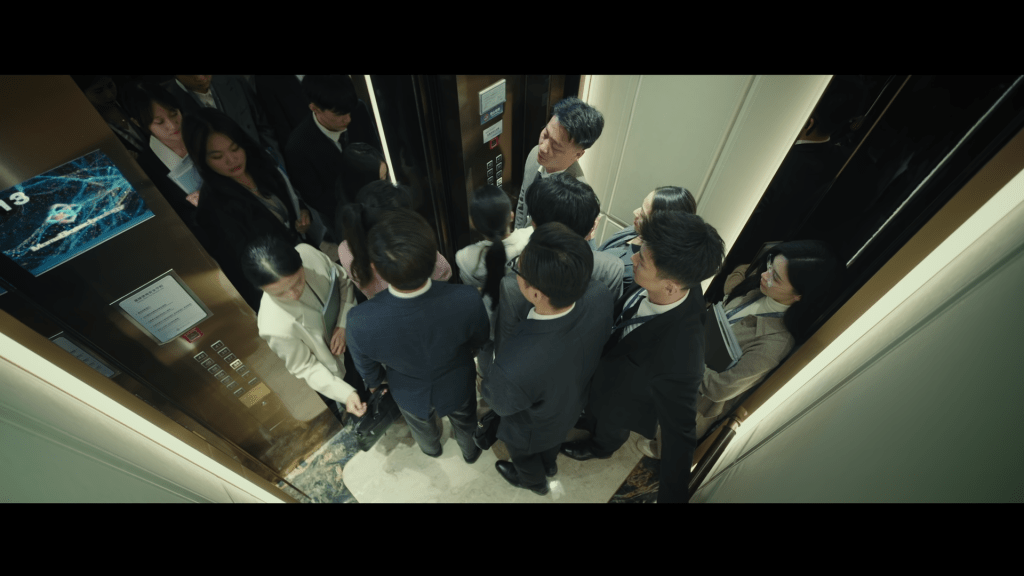
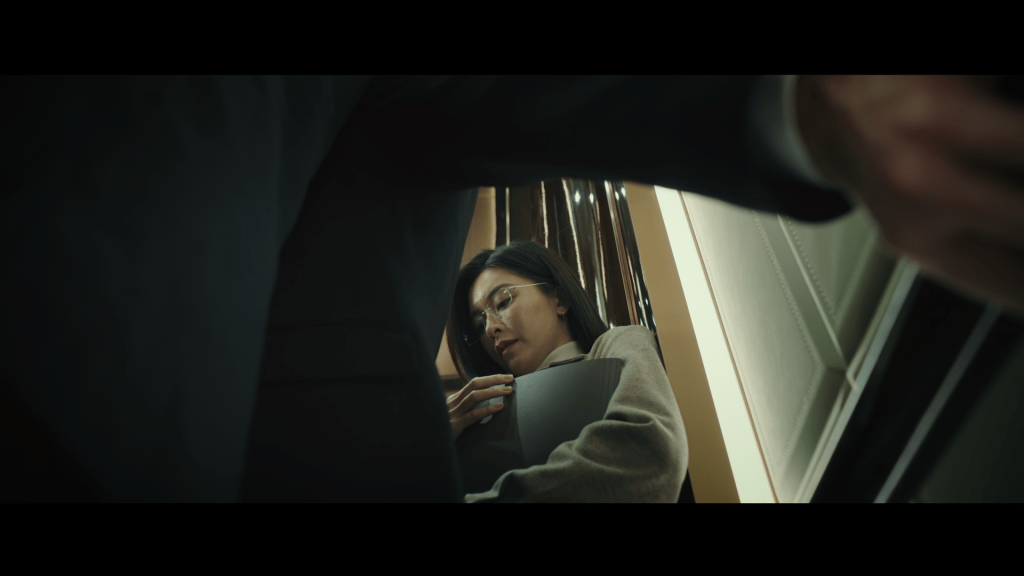
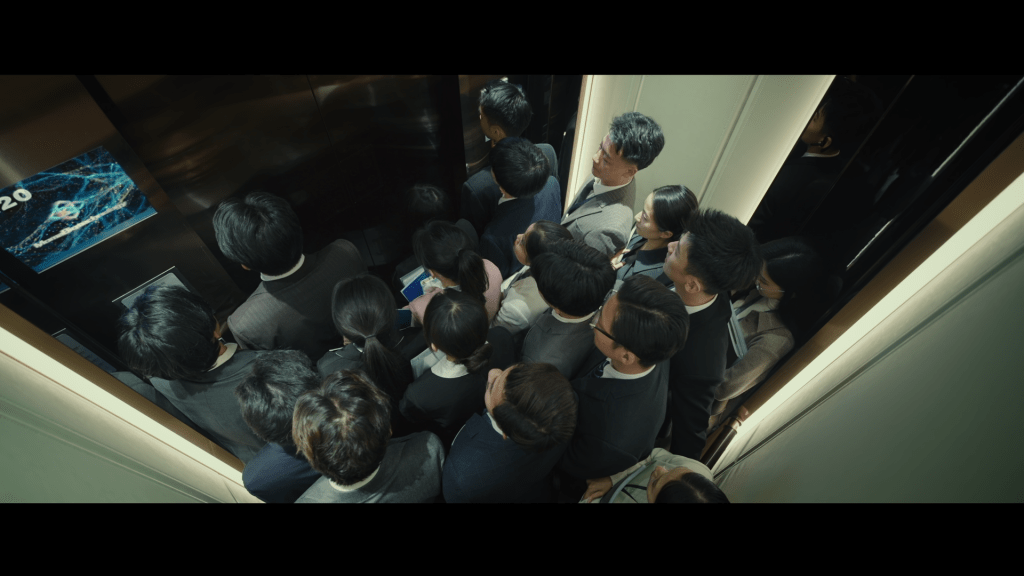
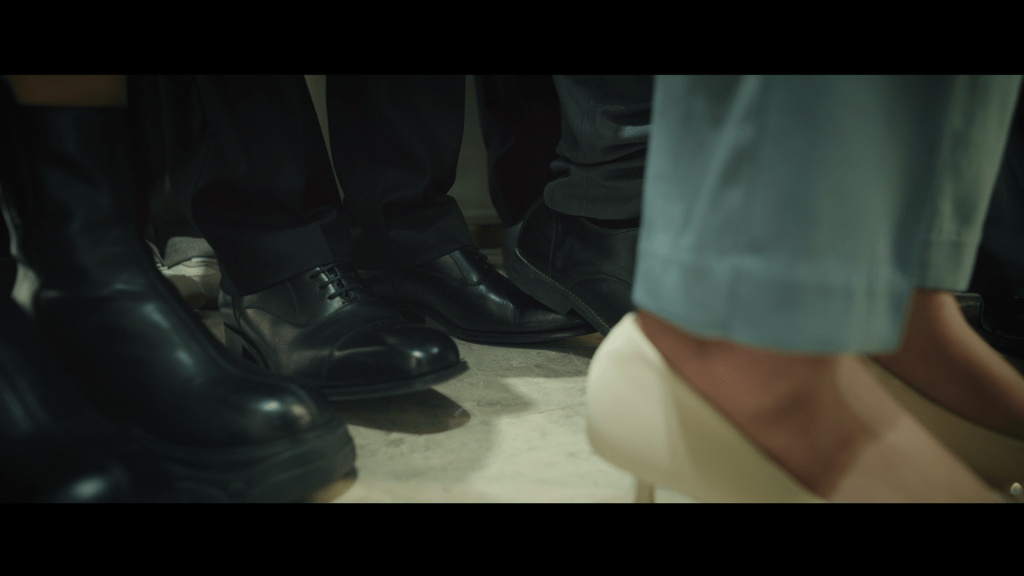
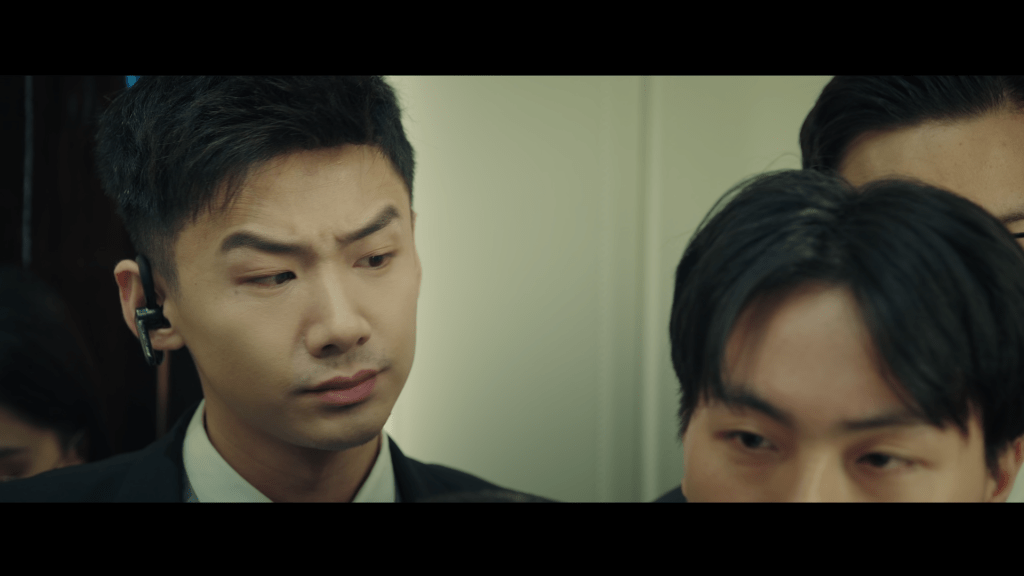
Here’s how Mobius threads the needle. In Episode 2, 28 minutes in, we are given a flight plan. Our romantic lead and main character Ding Qi and his potential romantic partner An Lan share an elevator ride. At first the ride is just the two of them catching her up on Ding Qi’s new position as security for her CEO and hints of intimacy brewing. Their intimacy gets interrupted by a flow of people onto the elevator making the space instantly cramped. Here’s where the protector dynamic starts, Ding Qi grabs two hand rails creating a safe space around An Lan who now occupies the corner of the car. As the elevator starts to move it’s important that we see insecurity and then comfort come over An Lan as she doesn’t have to rub shoulders and jostle with the office crowd because Ding Qi is shielding her. Ding Qi looks back at her and checks on her and they exchange glances letting him know that she is fine. Then after we see her smile a careless passenger steps on the foot of Ding Qi. Now normal social etiquette would have most people just be uncomfortable but that’s not what you’d want from a masculine hero. A modern masculine hero needs to stand up for himself in a socially acceptable way though. Ding Qi’s solution was to politely speak up “You’re on my foot.” loud enough that those in his vicinity could clearly hear him but soft enough that only those in his immediate vicinity would hear and everyone could pretend except the offender could pretend like they didn’t hear anything. This allows everyone to save face in the situation where the person stepping on his foot could move and everyone gets to pretend like nothing happened. However, the offender doesn’t move. This time loud enough for the entire car to hear and with an aggressive tone Ding Qi repeats himself, the man turns around sees the challenge and backs down.
Ding Qi has successfully shown himself willing to protect the comfort of An Lan and stand up for himself against challenges but to do so in socially acceptable ways.
My key takeaways from this scene are
Use of escalating levels of conflict
Talk < Speak with Authority < Return Aggression < Physical
Protection must be given after consent, either implied or explicit
An Lan puts herself behind Ding Qi and he pins her in the corner, giving her his back. Then checks on her for continued consent/approval.
None of this works if we as the audience don’t have the proper background music and explicit shots of the actors showing their changes in mood and approval. (great directing).
If written it’s easier to simply narrate the characters thoughts and feelings on the event.
Mobius


 hngyhngyhppo